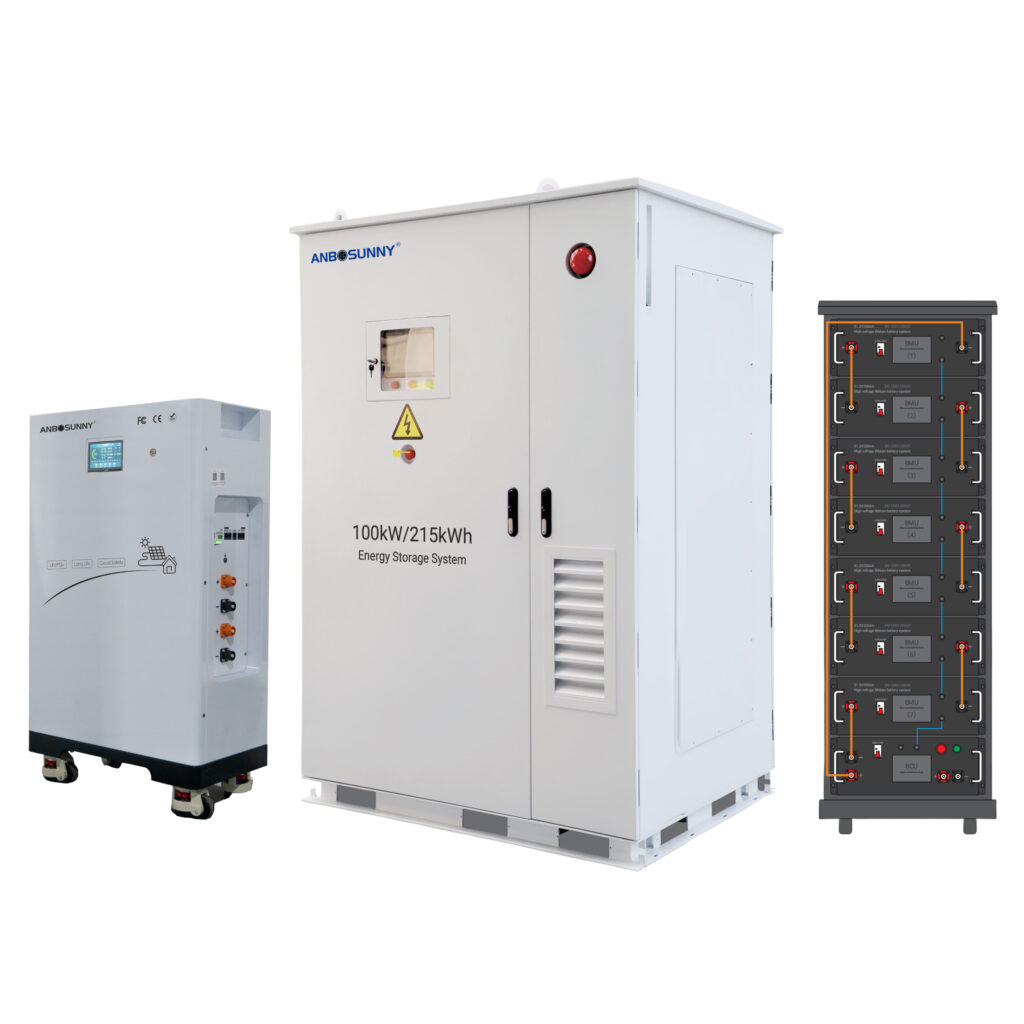
Starting April 1, 2026, China will officially cancel export tax rebates for solar PV modules, cells, lithium batteries, and energy storage products. For global buyers, this marks one of the most significant pricing shifts in the renewable energy supply chain in recent years.
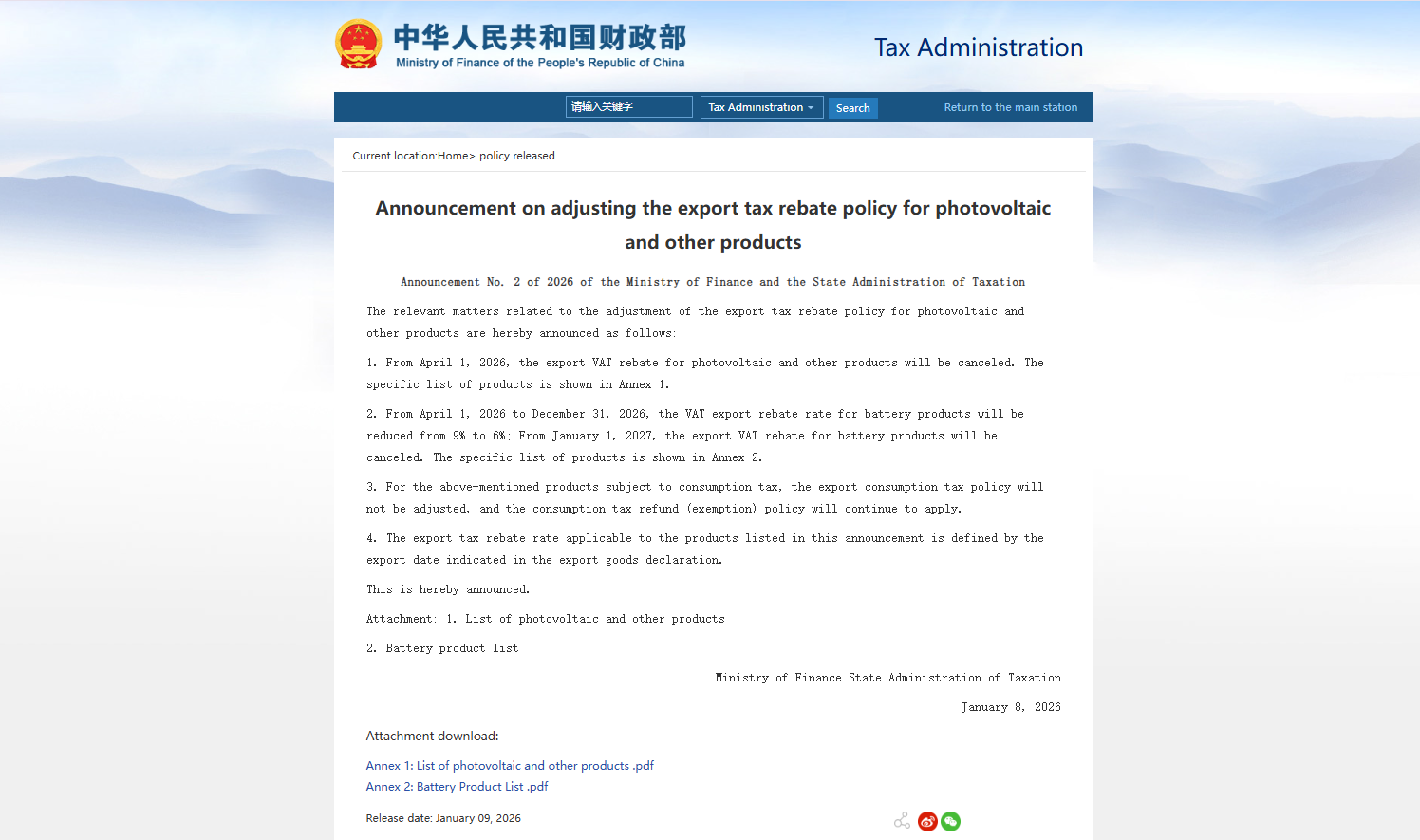
This is not a temporary measure or a pilot program— it is a permanent structural policy change that will influence global procurement strategies.
1. What Exactly Is Changing?
✔ PV products: Full rebate cancellation on April 1, 2026
All major PV export categories—including modules and cells— will no longer receive any VAT export rebate.
This directly increases export-related costs for Chinese manufacturers.
✔ Battery products: A phased removal
Apr 1 – Dec 31, 2026: Rebate reduced from 9% → 6%
Jan 1, 2027 onward: Rebate fully canceled
For buyers, this means:
2026 is a transition year. 2027 marks the full price reset.
2. What This Means for International Buyers
● Expect Price Adjustments in 2026–2027
Because export rebates previously accounted for a meaningful portion of manufacturers’ margins, removing them will inevitably lead to price adjustments.
Estimated PV module price increases:
+3% to +5% (low scenario)
+5% to +8% (base scenario)
10%+ in certain markets or special product categories
Lithium batteries & energy storage:
Moderate increases in 2026
Full repricing in 2027
Energy storage batteries may see higher adjustments due to system-level performance requirements.
● Supply Chain Stability Will Matter More Than Price
With China shifting from “price-driven exports” to “value-driven exports,” international buyers will increasingly prioritize:
Product reliability
Certification and compliance
Delivery stability
Long-term service capability
The era of ultra-low-price competition is fading.
● Short-Term Market Behavior to Expect
Before March 2026
A surge in export volume
Earlier order placements
Tighter production schedules
After April 2026
Gradual price adjustments
More transparent cost structures
Clearer differentiation between top-tier and small manufacturers
3. Will Buyers Shift to Other Countries?
Some buyers may explore alternatives such as India, Southeast Asia, or Turkey. However, China still maintains the world’s most complete and efficient solar and battery supply chain.
Most buyers will continue sourcing from China due to:
Strong product performance
Mature quality control
Faster delivery
Lower system-level costs
4. What Should International Buyers Do Now?
✔ 1. Lock in long-term contracts before April 2026
This helps secure:
Current pricing
Production capacity
Delivery timelines
✔ 2. Plan procurement cycles earlier
Expect longer lead times during Q1–Q2 2026 as global demand accelerates.
✔ 3. Evaluate total system cost—not just component price
Especially for energy storage systems, factors such as:
Efficiency
Cycle life
Warranty
Integration cost
are more important than the upfront price alone.
5. What This Policy Really Means for Global Buyers
This policy shift signals a maturing, more stable, and more value-oriented Chinese renewable energy industry.
For international buyers, the benefits include:
More predictable pricing
Higher product quality
Stronger supplier professionalism
Reduced risk of unsustainable low-price competition
Conclusion: A New Era for Global Solar & Storage Procurement
The cancellation of export tax rebates will reshape pricing, but it will also push the industry toward higher quality, better service, and long-term stability.
For buyers who plan ahead, this policy shift becomes an opportunity to build stronger, more strategic supply chains.