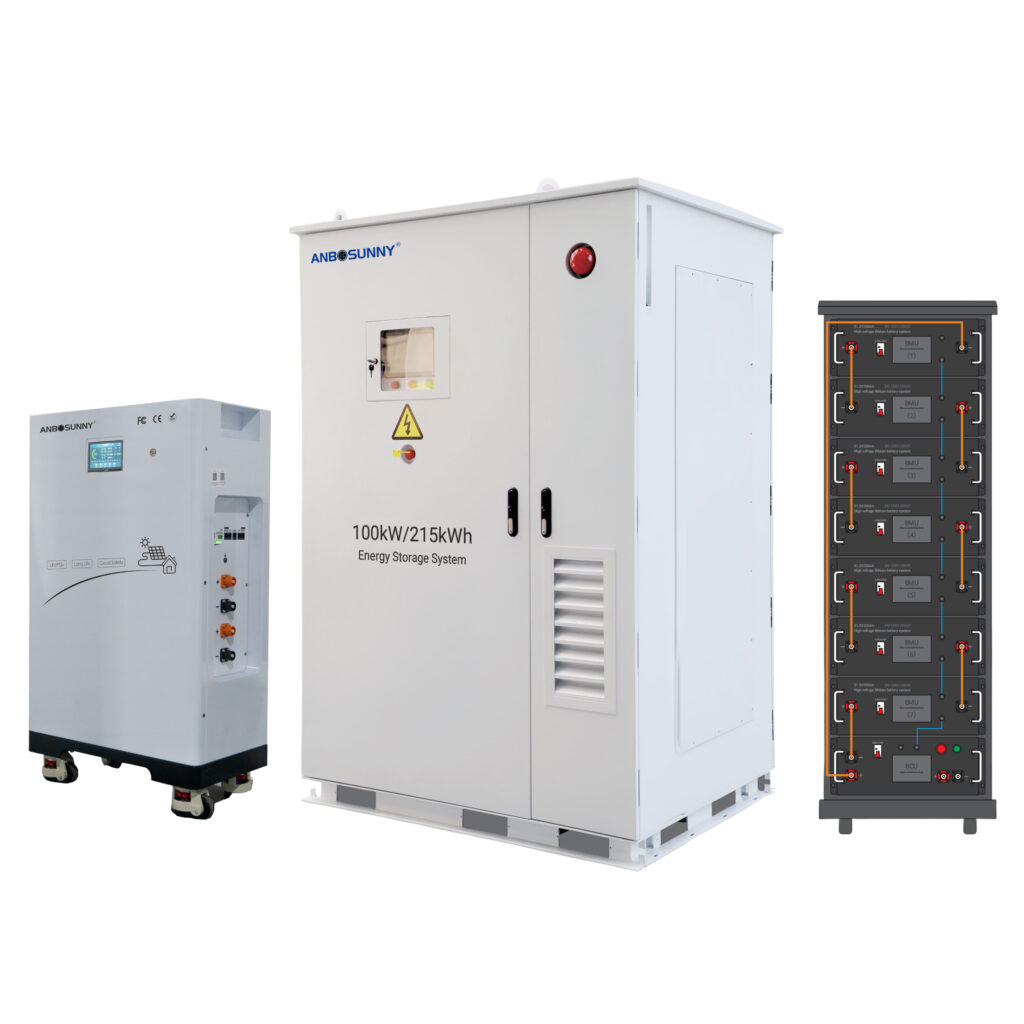
A comprehensive guide to commercial energy storage solutions, pricing dynamics, and high capacity hybrid inverter performance.
Market Overview: Why 125kW Hybrid Inverters Matter in Today’s C&I Sector
The global shift toward renewable energy continues to accelerate, driving strong demand for high capacity power electronics across the commercial and industrial (C&I) sectors. Among these technologies, the 125kW hybrid solar inverter has emerged as a foundational component for businesses seeking to integrate large scale solar generation with advanced energy storage.
This guide examines the technical landscape, leading product solutions, and pricing dynamics of 125kW hybrid systems to help EPCs, developers, and procurement teams make informed decisions.
The Role of 125kW Hybrid Inverters in Modern Infrastructure
Unlike traditional string inverters that solely convert DC power from solar modules into AC power for the grid, hybrid inverters incorporate bidirectional conversion and battery storage management. A 125kW hybrid unit is engineered for large scale applications such as manufacturing plants, commercial shopping centers, logistics hubs, and agricultural facilities.
These systems typically deliver three core functions:
-
Maximizing solar self consumption
-
Providing UPS level backup power during grid outages
-
Reducing demand charges through peak shaving and intelligent load management
This combination of capabilities makes hybrid inverters essential for future proofing C&I energy systems.
Technical Benchmarks and Key Performance Features
Modern 125kW hybrid inverters are defined by high efficiency, advanced string management, and robust storage integration. Key technical highlights include:
-
High Energy Conversion — Peak efficiency ratings typically range from 98.2% to 99.1%.
-
Advanced MPPT Configuration — Leading models feature 8–12 MPPTs to optimize performance under shading or complex layouts.
-
Seamless Backup Power — UPS level switching under 20 ms ensures uninterrupted operation.
-
Battery Compatibility — Support for high voltage lithium ion battery banks, typically 135V–900V.
Leading 125kW Hybrid Inverter Solutions (2026 Edition)
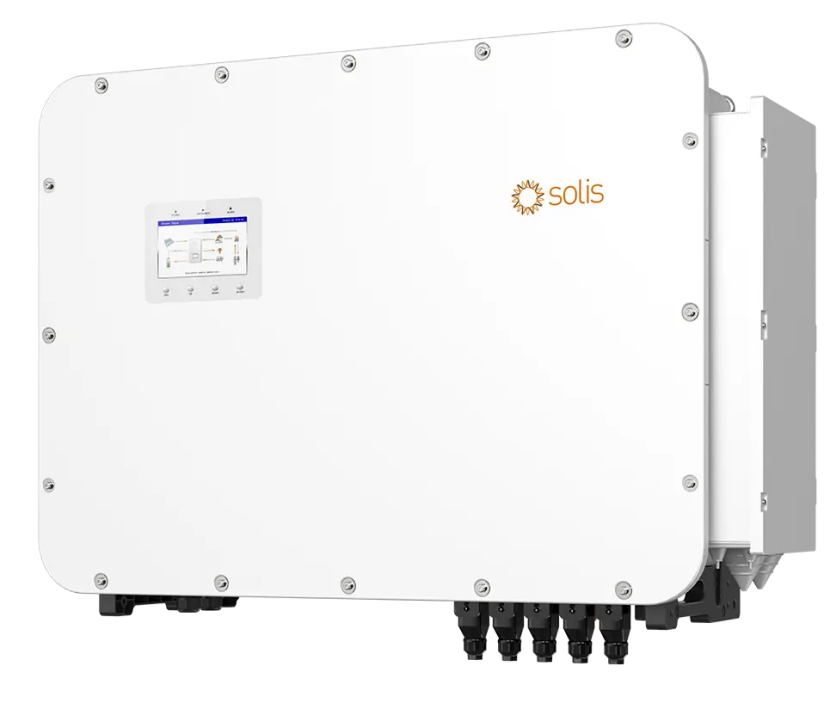
Premium Choice — Solis S6 EH3P125K H
Robust hybrid solution with 9 MPPTs and full SolisCloud integration. Ideal for unbalanced loads.
Key attributes:
-
9 MPPTs
-
Strong UPS functionality
-
Mature cloud monitoring platform
-
High reliability and global service presence
Efficiency Leader — Growatt WIT 125KTL3 X
Combines “MAX” string efficiency with advanced storage, specifically targeting peak shaving for factories.
Key attributes:
-
High conversion efficiency
-
Advanced energy management algorithms
-
Strong performance in industrial load shifting applications
Value Leader — Fox ESS H3 125 Plus
One of the highest capacity hybrid inverters released in China, engineered for C&I storage and microgrid applications.
Series Overview
-
Series: H3 Plus Three Phase Hybrid Inverter
-
Flagship Model: H3 125 Plus
-
Power Range: 75–125 kW
-
MPPT Count: 8 MPPTs
PV Performance
-
Maximum DC voltage: 1000 V
-
Operating range: 180–950 V
-
PV array capacity: up to 250 kW (2:1 oversizing)
-
European efficiency: 97.6%
-
Peak efficiency: 98.2%
Energy Storage Capabilities
-
Three independent battery interfaces
-
Each port supports 80A charge/discharge
-
Supports up to 720 kWh of battery capacity
-
Compatible with LFP batteries
Backup and Microgrid Features
-
EPS switching time under 10 ms
-
Supports 100% unbalanced three phase output
-
Compatible with diesel generators
125kW Hybrid Solar Inverter Price Comparison (2026 Ranking)
|
Brand & Model |
Price Level |
Notes |
|
Solis S6 EH3P125K H |
Highest price |
US$ 8900 / unit(without delivery)Most expensive among the three |
|
Growatt WIT 125KTL3 X |
Mid range |
Slightly below Solis |
|
Fox ESS H3 125 Plus |
Lowest price |
Best cost performance ratio |
This pricing structure reflects each brand’s market positioning:
-
Solis emphasizes reliability and global certification.
-
Growatt focuses on efficiency and industrial performance.
-
Fox ESS targets cost effective scalability for C&I storage.
Pricing Analysis and Cost Drivers
Hybrid inverters cost more than standard string inverters due to:
-
Bidirectional power electronics
-
Integrated BMS
-
Higher enclosure ratings (IP65/IP66)
-
Grid certification (UL 1741, CE, etc.)
-
Parallel operation and microgrid capabilities
A typical 125kW string inverter costs around $10,000 USD, while hybrid models command a premium due to their expanded functionality.
Strategic Insights for Maximizing ROI
Long term value is generated through:
-
Peak Shaving — Reducing demand charges
-
Grid Support Revenue — Frequency regulation and reactive power services
-
Backup Power — Avoiding production downtime
-
BOS Reduction — 1500V DC architectures reduce wiring and combiner box costs
For most C&I applications, these operational savings offset the higher upfront investment.
Final Perspective
The 125kW hybrid inverter market in 2026 is shaped by three strong contenders:
-
Solis S6 EH3P125K H — Highest reliability and strongest global presence
-
Growatt WIT 125KTL3 X — Efficiency driven design for industrial peak shaving
-
Fox ESS H3 125 Plus — Most cost effective option with advanced storage interfaces
Hybrid inverters provide the future ready infrastructure required for modern commercial and industrial energy systems. For most businesses, the ability to integrate storage ensures superior long term operational savings.
Recommended Battery Pairing: Anbosunny High Voltage Battery Cluster
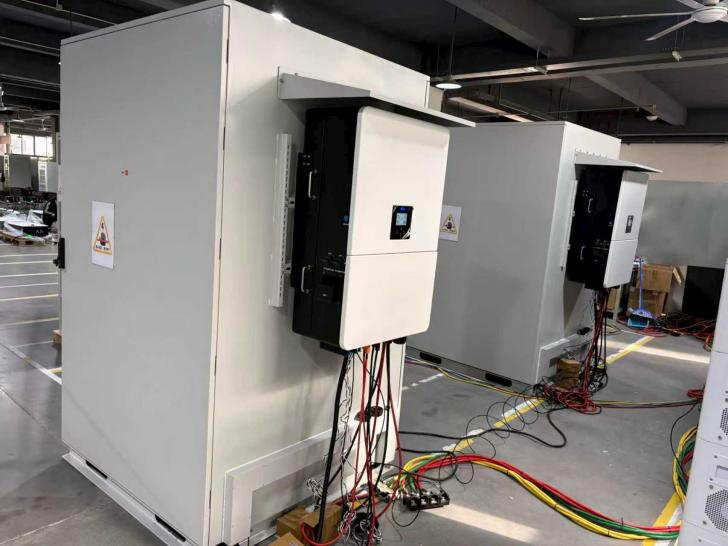
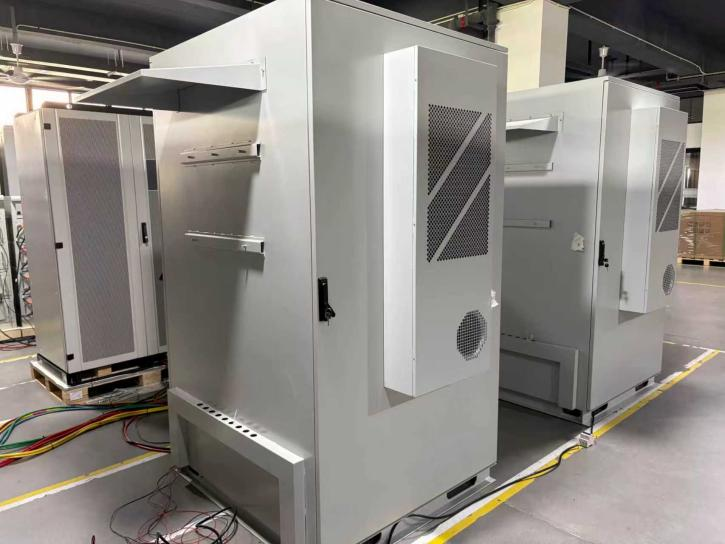
To complement these 125kW hybrid inverters, Anbosunny’s high voltage battery cluster offers a reliable and field proven storage solution for C&I applications.
Why Anbosunny Batteries Are a Strong Match
-
Fully tested and commissioned with Solis, Growatt, and Fox ESS hybrid inverters
-
Compatible with 125kW hybrid systems, supporting direct connection without additional hardware
-
Supports our 241 kWh outdoor battery cabinet, enabling MW scale expansion
-
Standard delivery lead time: 30 days, suitable for project driven schedules
-
Certified with UN38.3 for sea transportation, allowing the entire cabinet to ship as one unit
-
No need to remove battery modules during transport, eliminating on site re installation work
This integrated approach significantly reduces installation complexity, shortens commissioning time, and improves overall project reliability.